
Brisbane Airport Parking
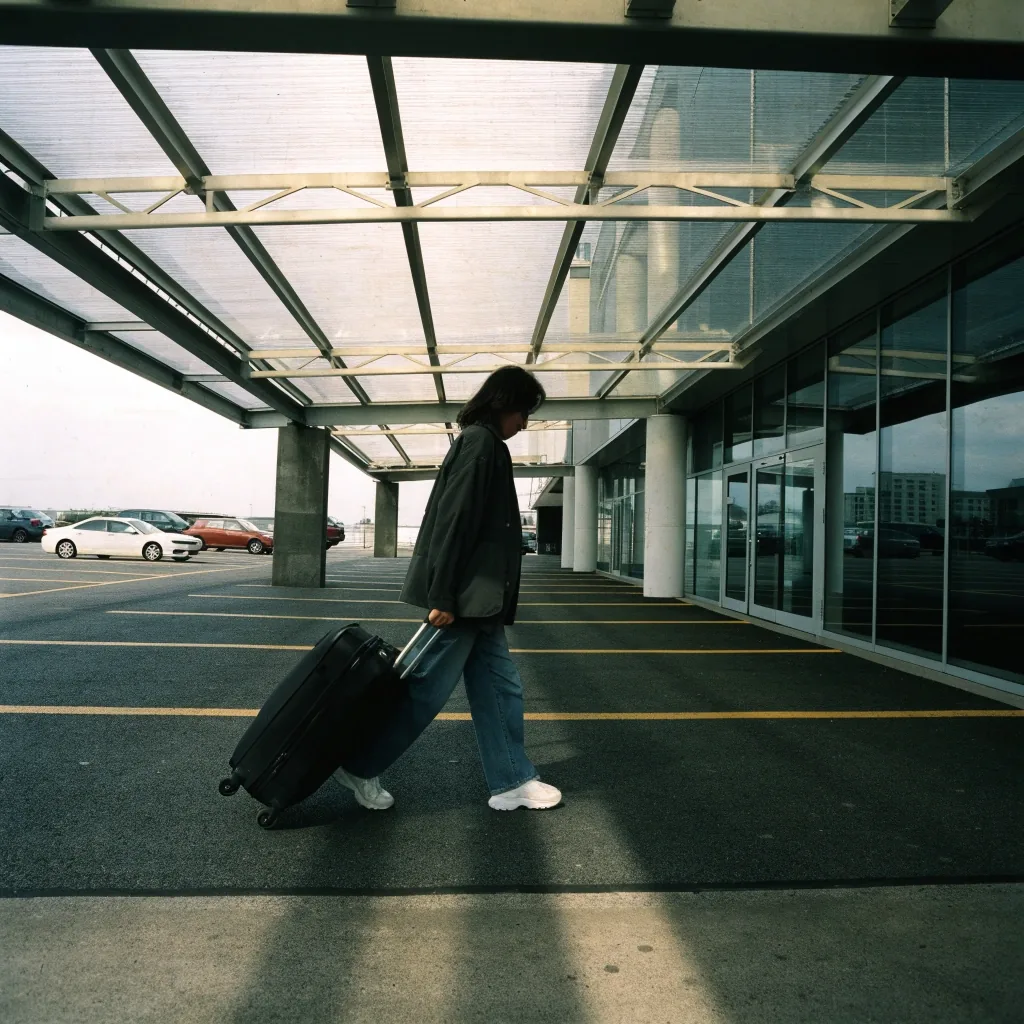
Terminal parking guide
Parking for the Domestic or International Terminal
Brisbane Airport has two passenger terminals, and they do not share a car park. Here is what sits where, how long the walk takes, and which entry barrier your vehicle will argue with.
Start with the Domestic sideThe one thing to get right
Two terminals, two separate parking worlds
Choosing the wrong terminal's parking is the most common and most avoidable mistake travellers make at BNE. Domestic and International each run their own car parks, their own walk times and their own height rules, and a booking made for one will not be honoured at the other. The rest of this guide takes them one at a time, then works through the details that decide the answer for your trip: walk times, vehicle height, and picking somebody up.
Domestic Terminal
Served by car parks marketed around short walks, including the P2 car park connected to the building. Park&Fly and long-term areas sit under the same roof.
International Terminal
Its own cluster of undercover, valet and short-term options nearby, positioned as the closer and higher-convenience choice against shuttle-based parking.
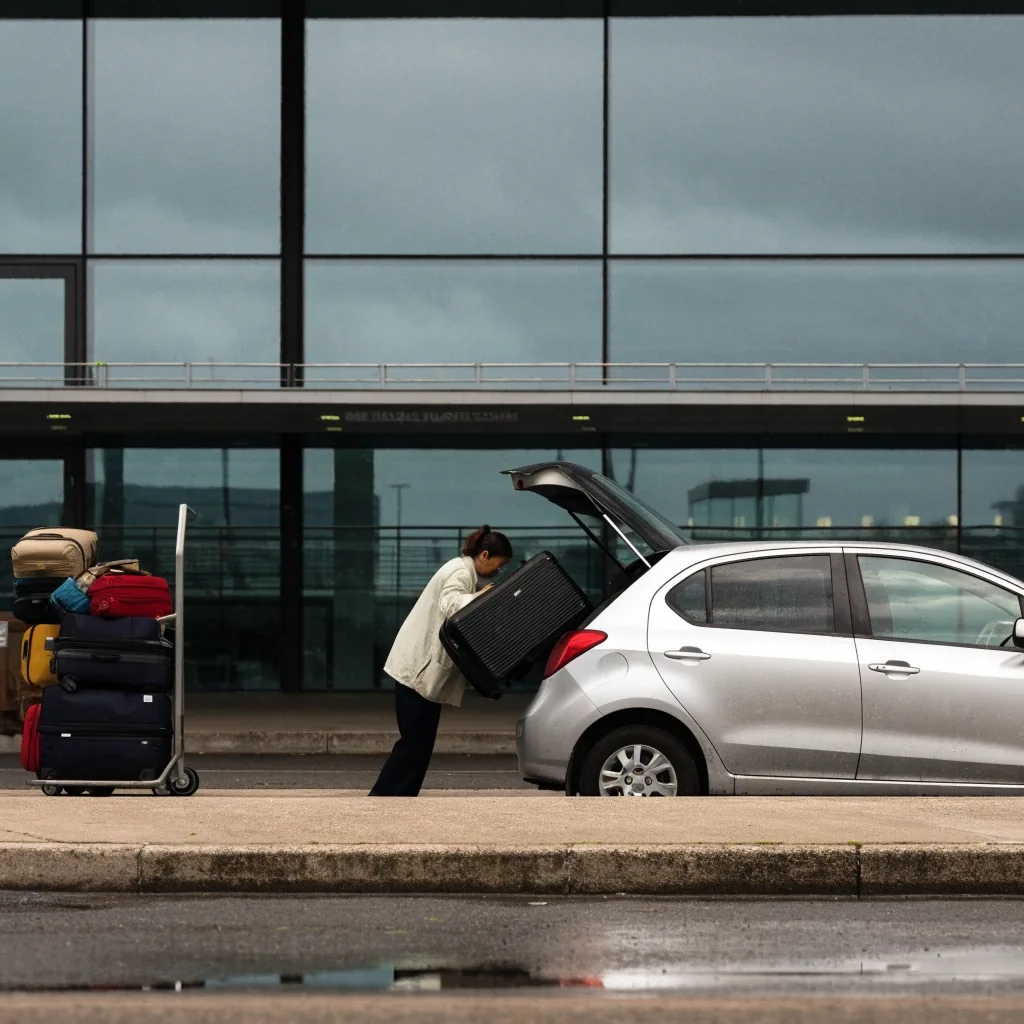 Domestic departures see the heaviest footfall, and the parking layout follows that volume.
Domestic Terminal parking
Domestic departures are the higher-volume side, and the parking reflects it. The P2 car park is connected to the Domestic Terminal and hosts several products under one roof, including Park&Fly and long-term areas. Options here are marketed around short walk times to the terminal, which is the main selling point for business travellers and anyone on a tight connection. If you fly domestically often, P2 is the car park to learn: its level structure and signage are worth understanding before your first visit, because arriving at the wrong level adds a loop you do not need on a departure morning.
One practical habit pays off here. Note which level you parked on before you walk away, and which entrance the lift or stairs deliver you to, because a domestic return often lands at a different gate from where you departed. That single note saves the twenty minutes most people spend walking the rows with a bag at eleven at night.
Compare all parking optionsInternational Terminal parking
The International Terminal has its own parking approach, and it is positioned as the closer, higher-convenience option compared with shuttle-based parking. Official guidance lists undercover parking, valet, and short-term pickup and drop-off near this terminal.
International trips tend to be longer, which pushes some travellers toward budget parking instead, so the honest choice here is between convenience near the terminal and cost out at AIRPARK. If you are leaving the country for a fortnight, run both numbers before deciding — fourteen days of a terminal-side rate is a different figure from fourteen days of an open-air one, and the shuttle leg matters much less when it is one part of a two-week trip. If you are on a short overseas hop of two or three nights, terminal-side is easier to justify, because the time you save on both legs is a larger share of the whole journey.
See long-term and budget parking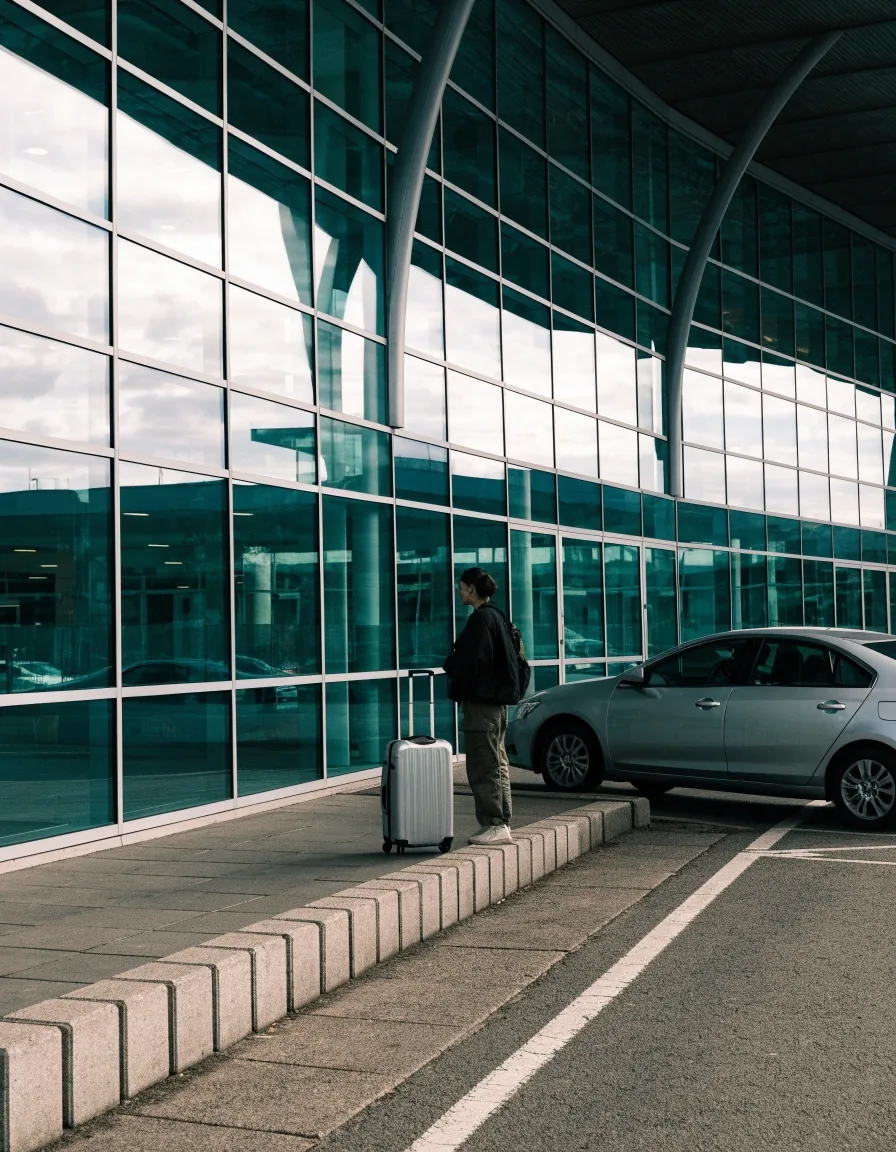
The International kerb runs its own short-term pickup and drop-off product, separate from the Domestic side.
The walk time is the whole argument
A short walk is door to check-in with no waiting. A shuttle adds a wait at the stop, a ride, and a second walk at the far end — on both the outbound and the return leg. That is why shuttle parking feels slower than its distance suggests, and why the same twenty minutes of difference reads very differently at 5am than it does at noon.

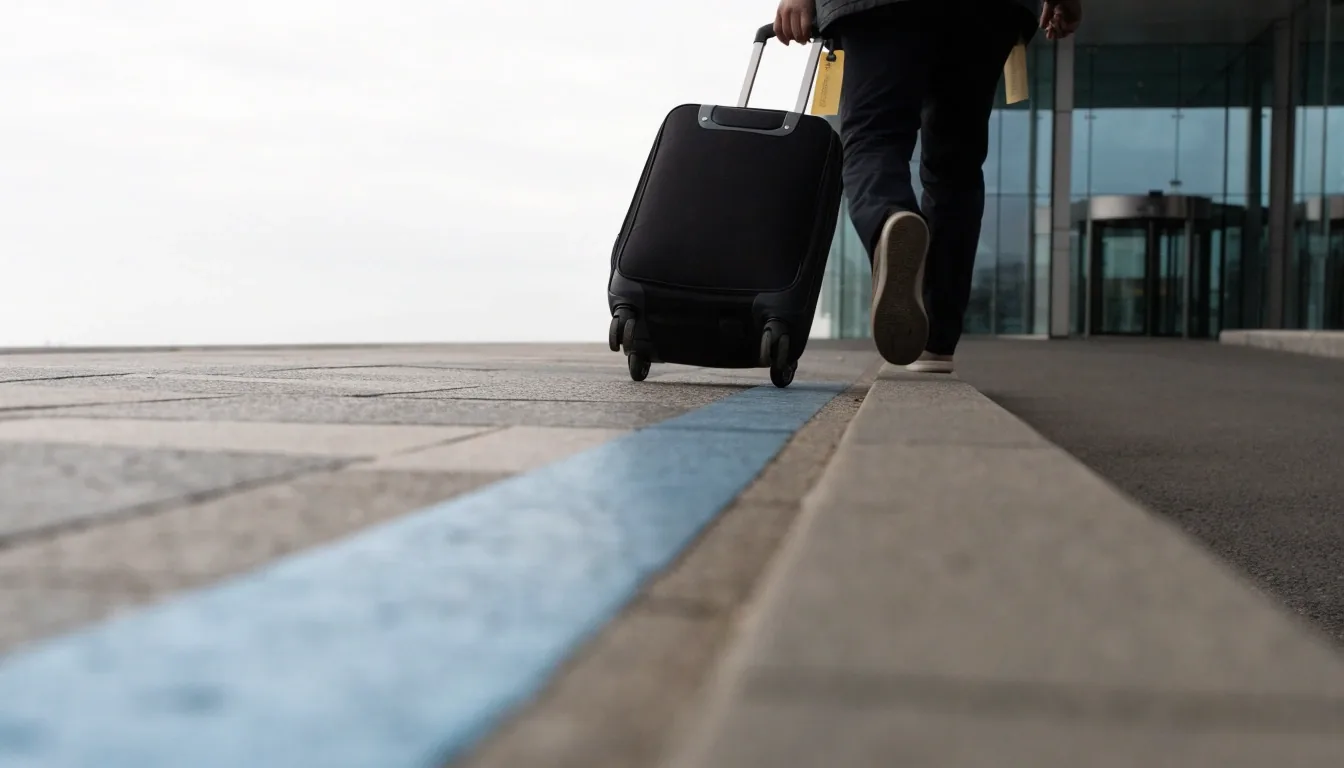
Both legs, both directions
Walk times and what they mean in practice
Walk time to terminal is the figure that separates the tiers, and it is quoted as a short walk for terminal-side products and as a bus ride for AIRPARK and AIRPARK 2. A shuttle adds a wait at the stop, a ride, and a second walk at the far end, on both the outbound and return legs. That is why shuttle parking feels slower than its distance suggests.
If you are travelling with small children, heavy bags, or a tight check-in window, weight the walk time heavily. If you are solo with a carry-on, the bus costs you little. The honest test is not how far the car park is — it is how many separate waits and walks sit between your car door and the check-in desk, multiplied by two, because you make the same trip on the way home.
Plan your travel dayHeight limits and vehicle fit
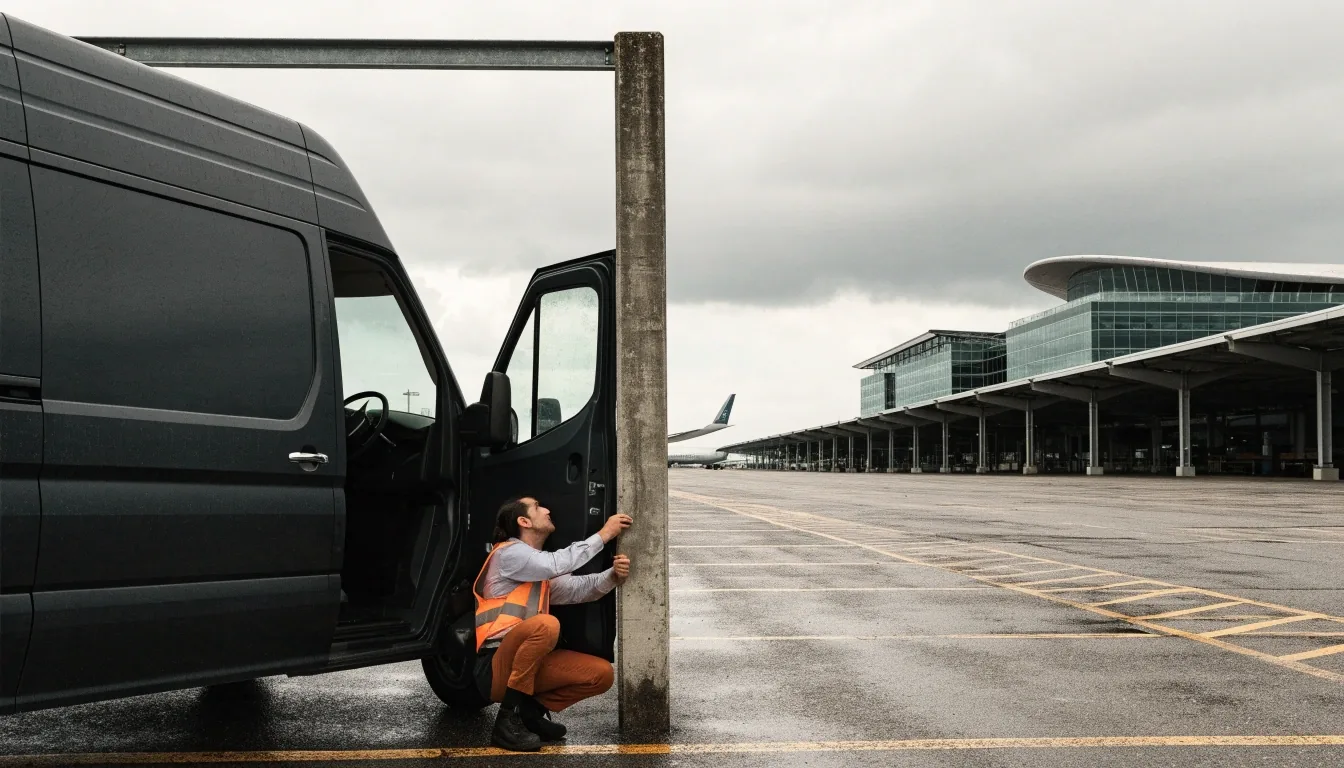
Height limits apply to undercover car parks, and Brisbane Airport publishes different limits depending on the car park, with the P2 undercover areas among those with a published figure. The number to compare is your vehicle's actual height as loaded, not the empty figure from the manual. Roof boxes, bike racks, ladder racks, and lifted suspension all change the answer.
-
Undercover terminal-side bays
A posted limit applies and it varies by car park, so read the figure for the specific one you book rather than assuming the whole terminal shares a number. Measure with the roof box or bike rack fitted.

-
Open-air parking
AIRPARK and AIRPARK 2 are open-air, so height is not a constraint there at all. If your vehicle is anywhere near a posted limit, this is the honest fallback rather than a gamble at the entry barrier.
-
Booking before you leave home
Book the car park that matches your vehicle's loaded height, not the one you would prefer. A booking at a barrier you cannot clear is not a booking. Reserve in advance and the height question becomes a decision at your kitchen table instead of a reversing loop at 6am.
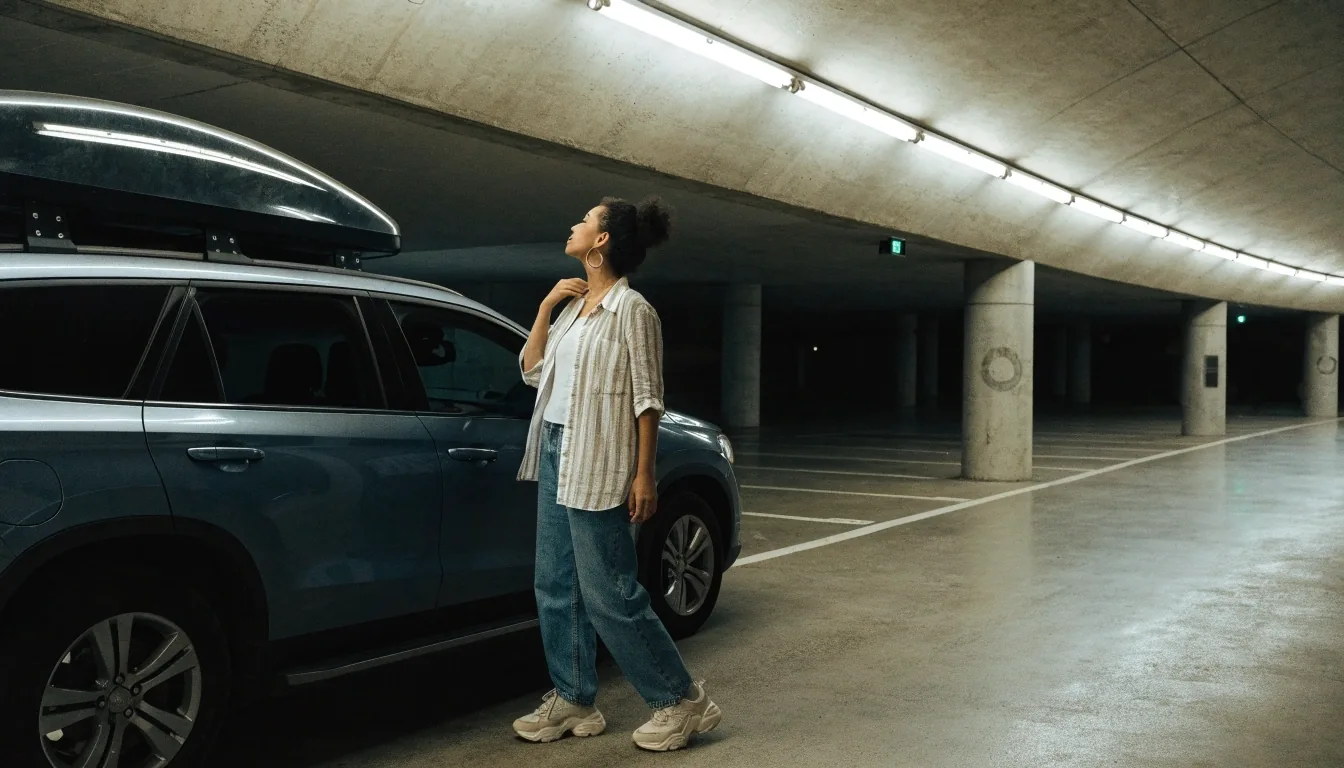
If you are within a few centimetres of a limit, book open-air instead of gambling at the entry barrier. A car that clears the beam with the roof box on is a car that clears it on the way home too, when the box is often still on.
How booking and payment worksPickup and drop-off rules
Picking someone up is a different job from parking for a flight. Both terminals have short-term parking for pickup and drop-off, and the International Terminal's official guidance specifically includes short-term pickup and drop-off areas. These are minute-based products, so the discipline is to agree on a meeting point in advance: which car park, which level, which entrance.
A driver circling because the passenger went to the wrong door burns more time than the parking itself costs. If you are the one being collected, send the car park name before you land — while you still have signal and before the taxi to the gate. If you are collecting, park and walk in rather than waiting on the kerb; it is calmer for both of you and it keeps the pickup lane moving.
Regular domestic flyers
Business travel and frequent flyers
For regular domestic flyers, the calculation is narrow: P2 and the terminal-side products win on most trips because the walk is short and the day count is low. The cost of terminal-side parking is easiest to absorb on a one- or two-night trip, and the time saved is real when you are departing before 7am. Frequent flyers also benefit from learning the level structure once and reusing it.
Budget parking makes more sense for the longer personal trips, where the daily saving grows and the shuttle time is a smaller share of the journey. The crossover is rarely the same number for two people. Someone who flies domestically every fortnight should treat the short-walk car parks as their default and treat budget parking as the exception; someone who flies once a year on a family holiday should do the reverse and start the comparison from the open-air end. Neither choice is wrong — they are just built around different trip lengths, and the trip length is the number that decides.
When the airport is busy
On peak departure days, the differences between products widen. Shuttle waits get longer when more people are using the transfer bus, and the closest terminal-side bays fill first. That is an argument for arrival buffers rather than for changing product: if you have booked AIRPARK, add time on the front end for the bus; if you have booked terminal-side, arrive early enough to find a bay at your preferred level.
Booking in advance helps most on exactly these days, because it takes the space question off the table before you leave home. School holiday weekends and the weeks around Christmas are the obvious ones; early Monday departures catch a smaller version of the same squeeze. If your flight leaves before 7am on a Monday, treat it as a peak day even when the calendar says otherwise.
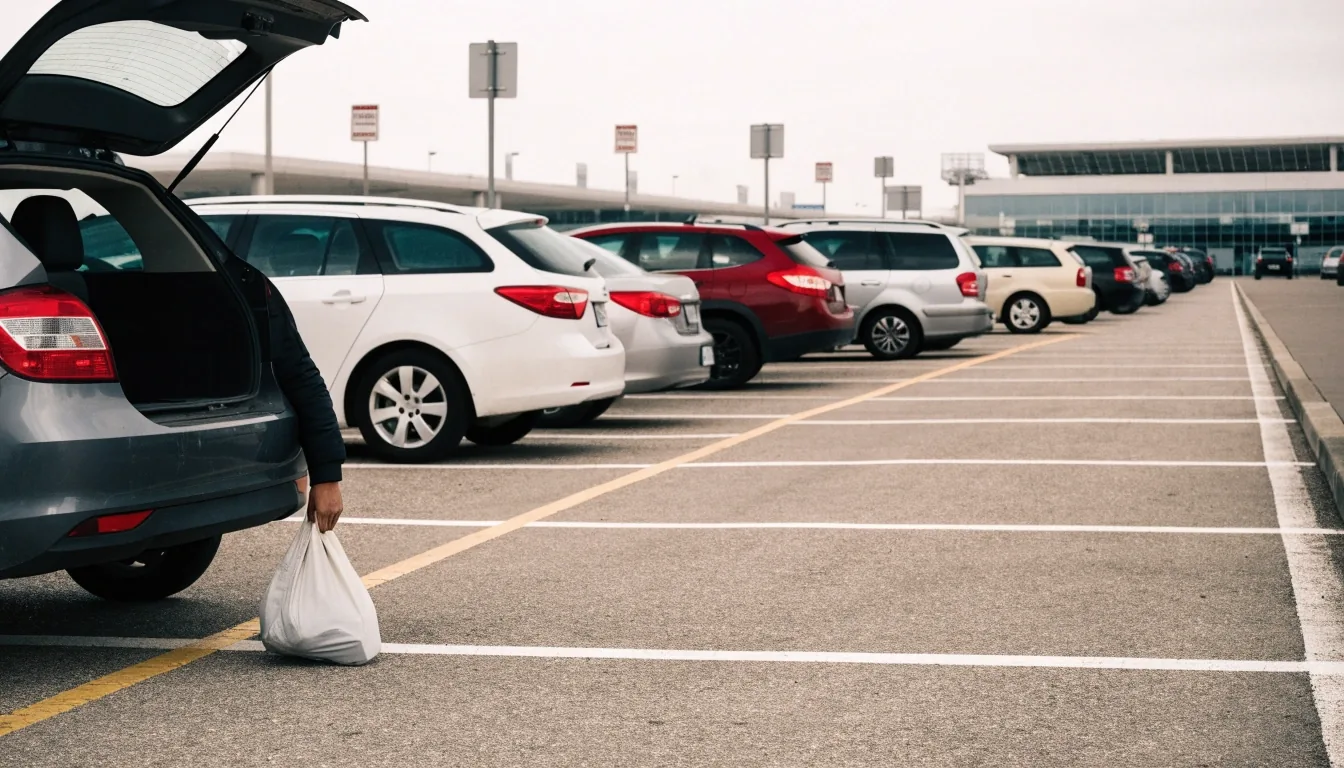
The nearest open-air rows fill first on peak mornings, so the front-end buffer matters more than the walk.
1
Which terminal you fly from
2
How long the trip is
3
Your vehicle's loaded height
4
What a walk is worth to you
Choosing between the two terminals' options
The rule is simple once the terminal is fixed. Work through these four situations and the answer is usually obvious.
Short trip, domestic
Terminal-side at P2, most of the time
One or two nights, and the walk is short
Time wins
Departing before 7am on a Monday
Add buffer
Long trip, or a tall vehicle
Compare the open-air options against the terminal-side rate
Two weeks away, either terminal
Cost wins
Roof box, bike rack or lifted suspension
Check the limit
Within a few centimetres of a posted height
Book open-air
Practical questions before you book
Four things travellers ask most often when they are deciding between the Domestic and International sides.
Can I use a Domestic booking at the International Terminal? +
How do I check whether my car fits undercover? +
Is the shuttle worth it for a short domestic trip? +
Where should we meet for an International pickup? +
Ready to park at BNE?
Work through the four situations above, then compare the live options term by term before you commit. If you would rather ask a person, the team answers the phone 24 hours a day.
Terminal parking
Domestic P2, undercover, valet and the short-walk products near both terminals are set out side by side on the options page.
Compare all parking optionsBudget and long stay
AIRPARK and AIRPARK 2 are the open-air, shuttle-served end of the range, and they suit longer trips best.
See long-term and budget parkingOn the day
Buffers, transfer timing and what to have ready at the barrier — the practical side of a departure morning.
Plan your travel dayTalk to us
11 The Circuit, Brisbane Airport QLD 4008, Australia. Open daily, 24 hours.
+61 7 3406 3000Find the airport
The car parks and terminal entrances sit inside the airport precinct at 11 The Circuit, Brisbane Airport QLD 4008. Allow extra time for the internal ring road on peak mornings, since it carries both terminal traffic and the open-air car park transfers.
Open daily, 24 hours · +61 7 3406 3000 · [email protected]